Clean-Burning Fire in Any Conditions
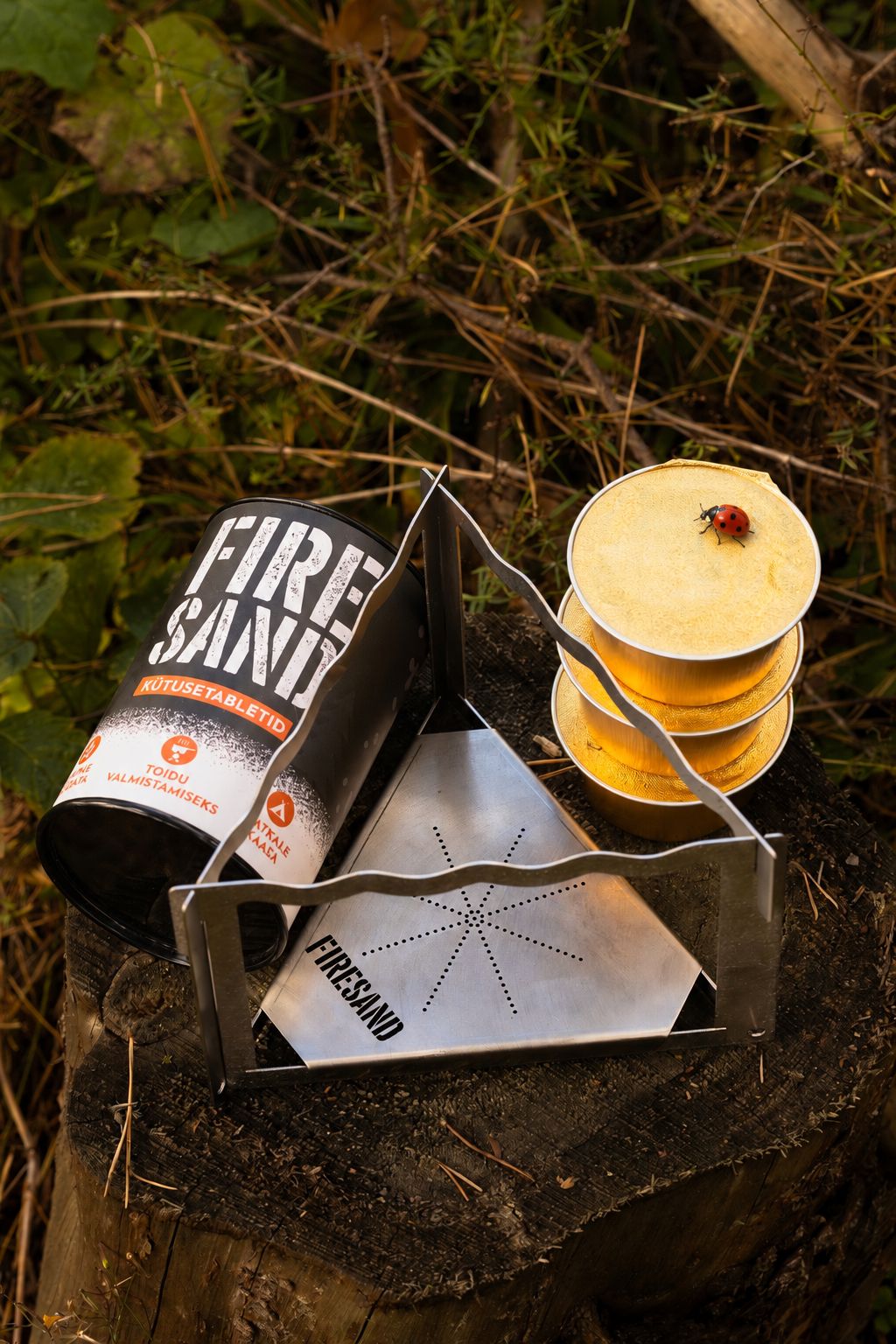
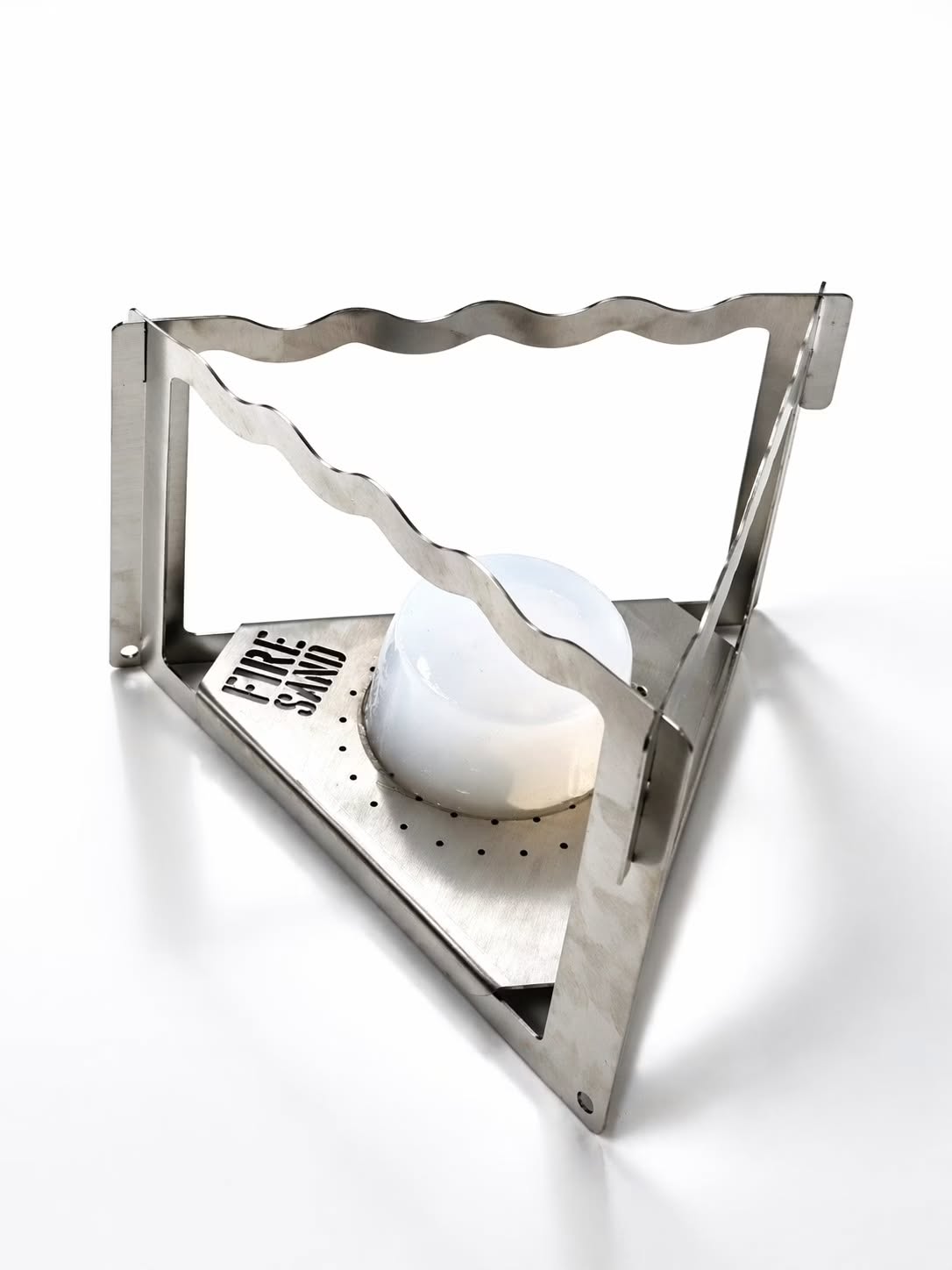
The FireSand fuel tablet ignites instantly in cold, windy, and damp weather, burns cleanly, and leaves behind only a small amount of harmless sand. The tablet burns like a candle, so you don’t need a separate burner. It is suitable for boiling water and heating meals during outdoor activities, hiking trips, and military exercises, as well as lighting a campfire or grill in difficult conditions. The technology is protected by a European patent in 22 countries.
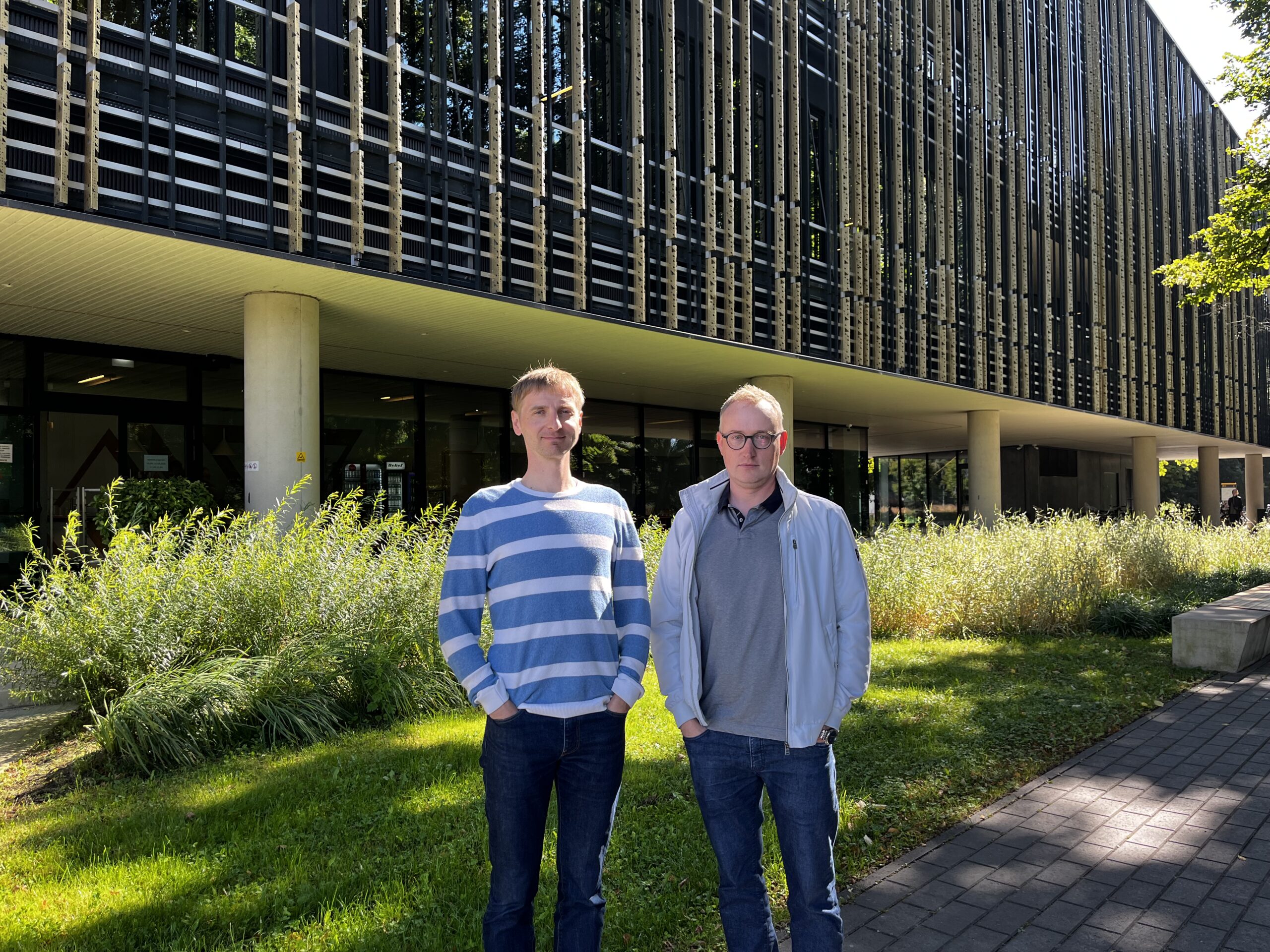
The idea’s author and inventor is Martin Timusk, a PhD in physics and associate professor of materials science at the University of Tartu, and the company’s CEO and CTO. Alongside him, Martin Kannel (COO), a PhD in physics and an experienced IT manager, also leads the company.
FireSand completed the Sparkup Incubator program in June 2026. Founders Martin Timusk and Martin Kannel answered the questions.
What inspired you to start the company?
The idea was born at the University of Tartu, where we spent years working on oxide chemistry. At some point, we realized that a silica oxide matrix saturated with alcohol could burn well. We had to test the hypothesis because oxides are very good fire retardants, and the flame could have stayed on the surface. It turned out that the tablet burns all the way through nicely and at a suitable speed.
The first idea came in 2017, and after a two-year pause, we filed a patent application in 2019. We then pursued intensive development, and the European patents were granted in 2023. We were familiar with the problems of the classic fuel tablets based on toxic hexamine, so the solution actually came from the problem.
How did the incubation program help the company grow?
We expected two things: mentor support and financial support. Both were fully met. The company was only a couple of months old at the start, and the regular meetings gave us a structure that helped us move forward step by step and think like entrepreneurs rather than scientists.
We expected two things: mentor support and financial support. Both were fully met. The company was only a couple of months old at the start, and the regular meetings gave us a structure that helped us move forward step by step and think like entrepreneurs rather than scientists.
We learned to put together a financial forecast and gained knowledge of product management and sales, which we had not worked with so directly before. Mentors confirmed our business direction and introduced us to funding options and sectors to focus on. For trademark registration, a Finnish firm found through Sparkup helped, getting it sorted quickly and professionally. During the program, we got to pitch, meet people, and gain visibility, including at sTARTUp Day and during Tartu Entrepreneurship Week.
What did the program not give you, or what could be different in Sparkup incubation program?
It is hard for us to find fault with the program, because we gained a lot of valuable knowledge and practical benefit. The training program was quite intensive and required a considerable time commitment, but it was also diverse, substantive, and well structured. Looking back, the wide range of topics was one of the program’s strengths, because it allowed us to look at building a company from very different perspectives.
One possible area for improvement is an even more flexible structure. Many early-stage entrepreneurs start developing their company full time alongside a day job, so taking part in an intensive training program can be a real challenge time-wise. A more flexible schedule or the option to rewatch some of the trainings would certainly help even more entrepreneurs get the most out of the program.
What were the biggest challenges during the program, and how did you overcome them?
One of the biggest challenges was that the gap between a scientific idea and a functioning company requires work that scientists’ previous experience usually doesn’t prepare them for. Sourcing raw materials, finding suitable suppliers and negotiating with them, navigating regulations, organizing production, financial planning, and accounting: in a small team, you have to learn all of these yourself.
We have addressed these challenges by learning as we go, finding solutions independently, and seeking advice from experts in relevant fields when needed. The Sparkup incubation program also helped here by providing knowledge and contacts that we could put to practical use in building the company.
What are your plans for the company’s future?
In the coming years, our focus is primarily on sales to public sector institutions and businesses, although private consumers can also order our products from the e-shop. Over the past year, we have invested heavily in marketing and in increasing FireSand’s visibility, to build awareness and create the conditions for sales growth. This is also tied to the company’s next stage: bringing in investors. We are not actively seeking investors yet, but we are gradually moving in that direction.
In five years, we want to reach defense industry customers both in Estonia and abroad, and keep production in Estonia.
What advice would you give to future incubation program participants or young entrepreneurs?
If you want to turn an invention into a product, the program is worth joining: you gain a network, some funding, and a new mindset. Ideally, you should have some validation or a first prototype before you join, though in deep tech this depends on what you’re developing. One of the biggest obstacles scientists face when moving into entrepreneurship is having only an initial idea without having properly defined the market, pricing, or potential customers.
Would you recommend the Sparkup Incubator program to a friend?
We would definitely recommend the Sparkup incubation program to a friend who is starting a company or dreaming of founding a startup. The knowledge and experience you gain from the program, the network of contacts among the people working here, and the opportunities that open up are a great help to an early-stage entrepreneur.
Visit their website: firesand.eu
Do you have an idea in your lab or research group that could become a product? The Sparkup Incubator has become the DeepTech Accelerator, and you can apply with deep tech ideas and inventions until November 8. More info here!